
All articles
Understanding the Role of Transition Boxes in Modern Drainage Systems
Transition boxes are the unsung heroes of drainage design. They allow seamless connection between Hydroplanks and traditional pipe systems—daylighting water where needed, or channeling it to stormwater retention areas. This blog explains what transition boxes do, how to install them, and why they’re crucial for scaling Hydro Fix systems in both residential and commercial applications. Whether you’re draining a flat backyard or a municipal roadway, transition boxes make the system work smarter.
Join the newsletter
Get strategic insights delivered monthly. No fluff, just actionable perspectives on the challenges facing business leaders today.
Overview
Introduction: Why Drainage Connections Matter
A drainage system is only as strong as its weakest point. In Hydro Fix systems, that connection point is often where the modular planks meet pipe—or where the system outlets to a slope, swale, or storm basin. That’s where transition boxes come in.
What Is a Transition Box?
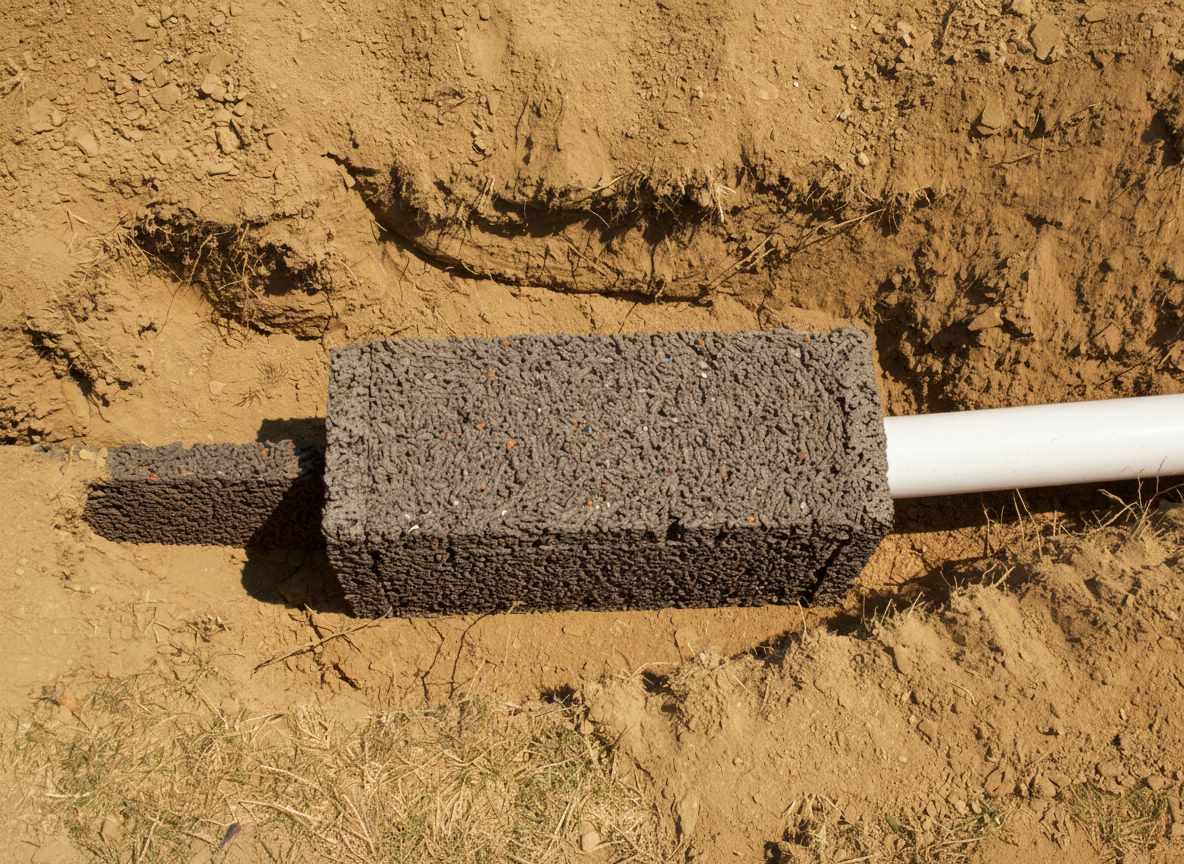
A HydroBlox Transition Box is a 12”x12” hollow plastic box that connects a Hydroplank to a traditional pipe system. One end accepts the plank; the other end is flanged for solid pipe connections.
Use Cases for Transition Boxes
- Daylighting: Discharge water to the surface without backflow
- Downspout Redirection: Connect rooftop runoff to Hydroplanks
- Pipe Tie-Ins: Blend Hydroplanks with legacy pipe systems
- Stormwater Routing: Guide flow to retention ponds or rain gardens
Why They Matter
Without a transition box:
- Improper connections can leak
- Systems can back up or flood
- Pipes may crush or clog at entry/exit points
With HydroBlox transition boxes, you get:
- Smooth water flow
- Airtight transitions between systems
- Durable, non-crushing structure
How to Install a Transition Box
- Determine Discharge Point: Slope, drain inlet, pipe system, or basin
- Position the Box: Flush to where the plank will end
- Insert Hydroplank: Secure tightly to one box opening
- Attach Pipe: Use standard solid pipe and clamp or seal at the flange
- Backfill with topsoil and tamp around all components
When to Use Multiple Boxes
On large-scale projects, use multiple transition boxes to:
- Handle increased flow volume
- Connect multiple drainage zones
- Feed separate pipe systems (e.g., greywater, stormwater)
Residential Example
A homeowner wants to redirect water away from their foundation. Hydroplanks are installed along the base of the house and run to a transition box, which connects to a daylight pipe exiting the side yard.
Commercial Example
A retail parking lot uses Hydroplanks beneath pavers. Transition boxes at the perimeter tie into the municipal stormwater drain.
Internal Linking Opportunities
-
- See how transition boxes fit into our stormwater systems
Request a layout plan for your project’s drainage needs
September 24, 2025
10
Related articles
No items found.