Smarter Stormwater Solutions: How Municipalities Are Using Hydro Fix to Upgrade Aging Infrastructure
Municipalities across the U.S. are facing the combined pressure of aging infrastructure, increasing rainfall, stricter environmental mandates, and tight public works budgets. Traditional drainage systems—like clay pipes, French drains, and drywells—are failing under this load, requiring constant maintenance and offering poor performance in flat or high-use public areas. This blog introduces Hydroplank technology as a breakthrough solution: a pressure-based, modular drainage system made from 100% recycled plastic that moves water without slope, clogs, or crush risk. From athletic fields to road shoulders, Hydroplank technology installs faster, scales easily, and eliminates common issues like flooding, pipe collapse, and erosion. It meets MS4 and NPDES compliance, aligns with climate and green infrastructure policies, and dramatically lowers long-term costs. With real-world case studies from parks, civic buildings, and urban green streets, this blog shows how Hydroplank technology empowers cities to do more with less—without sacrificing sustainability or performance.
Get strategic insights delivered monthly. No fluff, just actionable perspectives on the challenges facing business leaders today.
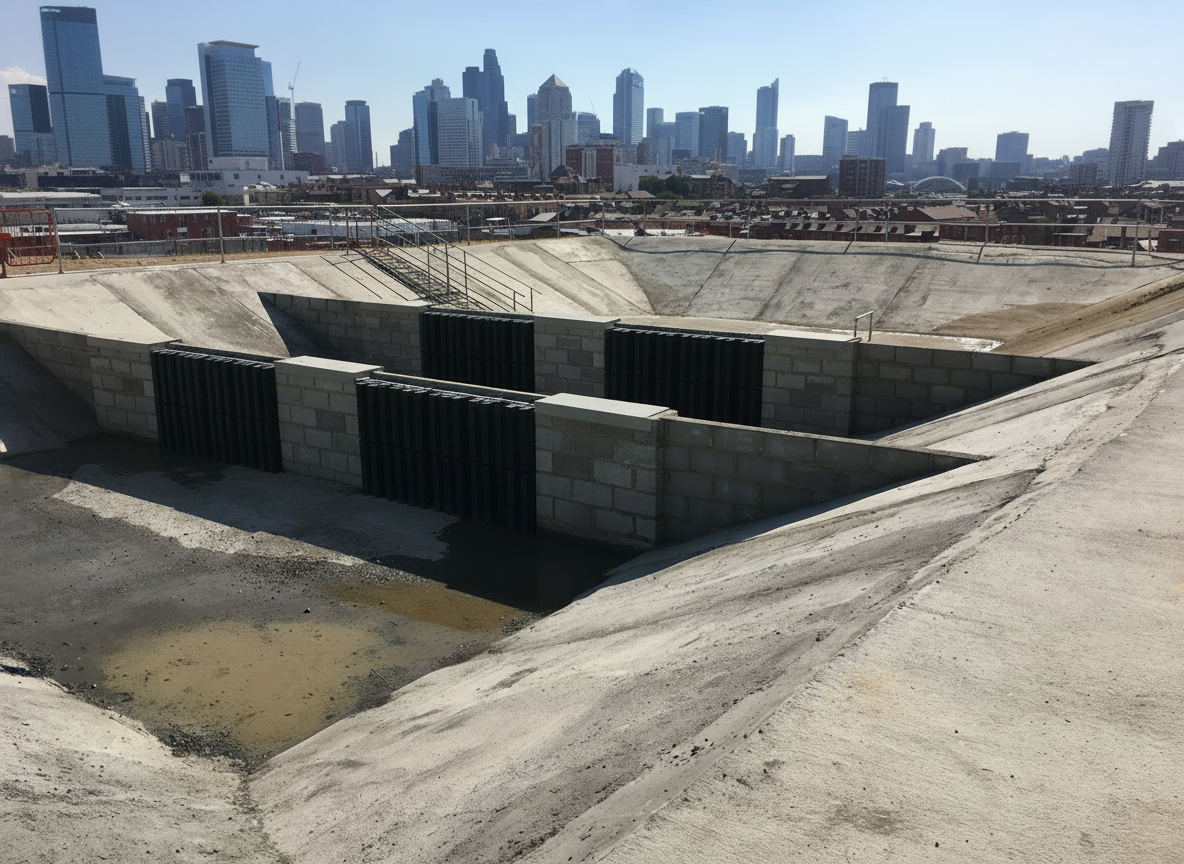
A pressure-based, recycled alternative to traditional drainage systems that saves cities time, budget, and compliance headaches.
Table of Contents
- Introduction: The Stormwater Challenge for Cities
- Challenges Facing Current Municipal Drainage Systems
- Enter Hydroplank technology: Infrastructure That Pays for Itself
- How Hydro Fix Solves Municipal Drainage Pain Points
- Use Cases: Parks, Roads, Athletic Fields, and Public Buildings
- A Look at Cost Savings and Compliance
- Installation: Fast, Scalable, and Disruption-Free
- Sustainability as Policy: Meeting NPDES, MS4, and Climate Goals
- Case Study Highlights
- Final Thoughts + Call to Action
1. Introduction: The Stormwater Challenge for Cities
Cities and towns across the U.S. are facing a perfect storm:
- Aging underground drainage systems
- Increased precipitation and flooding due to climate change
- Stricter federal and state stormwater mandates
- Limited capital budgets and overburdened public works departments
For municipal planners, engineers, and public works leaders, the goal is clear—manage stormwater more effectively and affordably. The challenge? Doing it with outdated systems, tight labor forces, and limited options that truly last.
Hydro Fix offers a breakthrough solution: drainage planks and boxes made from 100% recycled plastic that outperform traditional pipe-and-gravel systems. It’s clean. It’s smart. And most importantly for municipalities—it works.
2. What’s Wrong With Today’s Municipal Drainage Systems?
Most city drainage infrastructure was installed decades ago—and it shows. Clay pipes, crushed stone trenches, French drains, and geotextile-lined drywells come with multiple drawbacks:
- Frequent Clogging from silt and sediment
- Pipe Collapse from shifting soils or vehicle loads
- Slow Installation that disrupts traffic or park operations
- Poor Performance in Flat Areas due to gravity reliance
- Difficult Repairs requiring excavation and downtime
Municipalities spend thousands annually on maintaining—or replacing—systems that never worked that well to begin with. Hydro Fix changes that.
3. Enter Hydroplank technology: Infrastructure That Pays for Itself
Hydroplank technology are engineered from landfill-bound plastic, fused into high-strength, high-void structures that allow water to move via pressure, not gravity.
Unlike traditional systems, Hydroplank technology:
- Never clogs due to its internal structure
- Won’t crush even under heavy equipment
- Can be installed level (no slope or trenching)
- Installs quickly with minimal excavation or site disturbance
- Lasts for decades without degradation
And because Hydroplank technology is modular, cities can scale up or down to match drainage needs without over-engineering a solution.
4. How Hydro Fix Solves Municipal Drainage Pain Points
✔️ Flat Terrain
Drainage systems in parks, athletic fields, or flat roadways often fail due to lack of grade. Hydroplank technology moves water laterally under pressure, solving drainage on flat surfaces without major regrading.
✔️ Clogged or Aging Systems
Because the internal weave of Hydroplank technology is too tight for soil but open enough for water, clogging is virtually impossible. It’s a smart retrofit for areas where other systems have failed.
✔️ Budget Constraints
No need for gravel, filter fabric, or extensive trenching = significant cost savings. Plus, maintenance needs drop to near-zero, reducing future labor hours.
✔️ Public Safety
Flooding near roadways or buildings creates liability risks. Hydroplank technology keeps water moving without backing up into public spaces.
5. Use Cases: Parks, Roads, Athletic Fields, and Public Buildings
Hydroplank technology can be used across a city’s entire footprint:
- Road Shoulders: Prevent ponding along curbs or in depressions
- Recreation Areas: Dry out soccer fields, ballparks, or picnic areas quickly
- Public Buildings: Redirect roof runoff from downspouts into stormwater boxes
- Green Infrastructure Projects: Support permeable surfaces and rain gardens
- Playgrounds: Improve drainage under mulch or turf without disruption
Because planks are lightweight and modular, they’re easy for municipal crews to install or adjust over time.
6. A Look at Cost Savings and Compliance
Let’s break down the savings.
💰 Material & Labor Costs
- No gravel = fewer deliveries
- No geotextile = fewer layers
- Flat installation = faster trenching
- Can be handled manually = no heavy machinery needed
Result: up to 60% less installation cost compared to traditional French drain or drywell systems.
📋 Compliance
Hydroplank technology meets NPDES & MS4 stormwater runoff requirements by capturing and slowly releasing water into the ground at rates similar to undeveloped soil. That makes it an ideal solution for grant-funded green infrastructure projects.
7. Installation: Fast, Scalable, and Disruption-Free
Hydroplank technology don’t require slope, which means:
- No deep trenching near tree roots or utility lines
- No downtime for ballfields or recreation centers
- No need for traffic rerouting during roadside installations
The products are cut-to-fit and can be joined end-to-end. Stormwater boxes handle 52 gallons each and can be scaled to any volume needed.
Crews can install hundreds of feet in a day—ideal for municipalities trying to “do more with less.”
8. Sustainability as Policy: Meeting NPDES, MS4, and Climate Goals
More than ever, municipalities are adopting climate resilience and sustainability plans that include:
- Net-zero carbon infrastructure
- Landfill diversion targets
- LEED-compliant building practices
- Nature-based drainage solutions
Hydroplank technology hits all of the above:
- Made from 100% recycled plastic
- Diverts hard-to-recycle plastics from landfills
- Requires no concrete, stone, or virgin materials
- Supports long-term green infrastructure initiatives
It’s not just a smart product. It’s the infrastructure of tomorrow—available now.
9. Final Thoughts
Municipal infrastructure is under pressure—from climate, from constituents, and from budgets. Hydroplank technology gives cities a new tool in the fight against water mismanagement—a sustainable, durable, cost-effective alternative to the systems of the past.
If you’re planning a capital improvement project, looking to upgrade your athletic fields, or retrofitting older stormwater systems, Hydroplank technology should be part of your spec.