All articles
From Landfill to Lifeline: The Journey of Recycled Plastic into Infrastructure
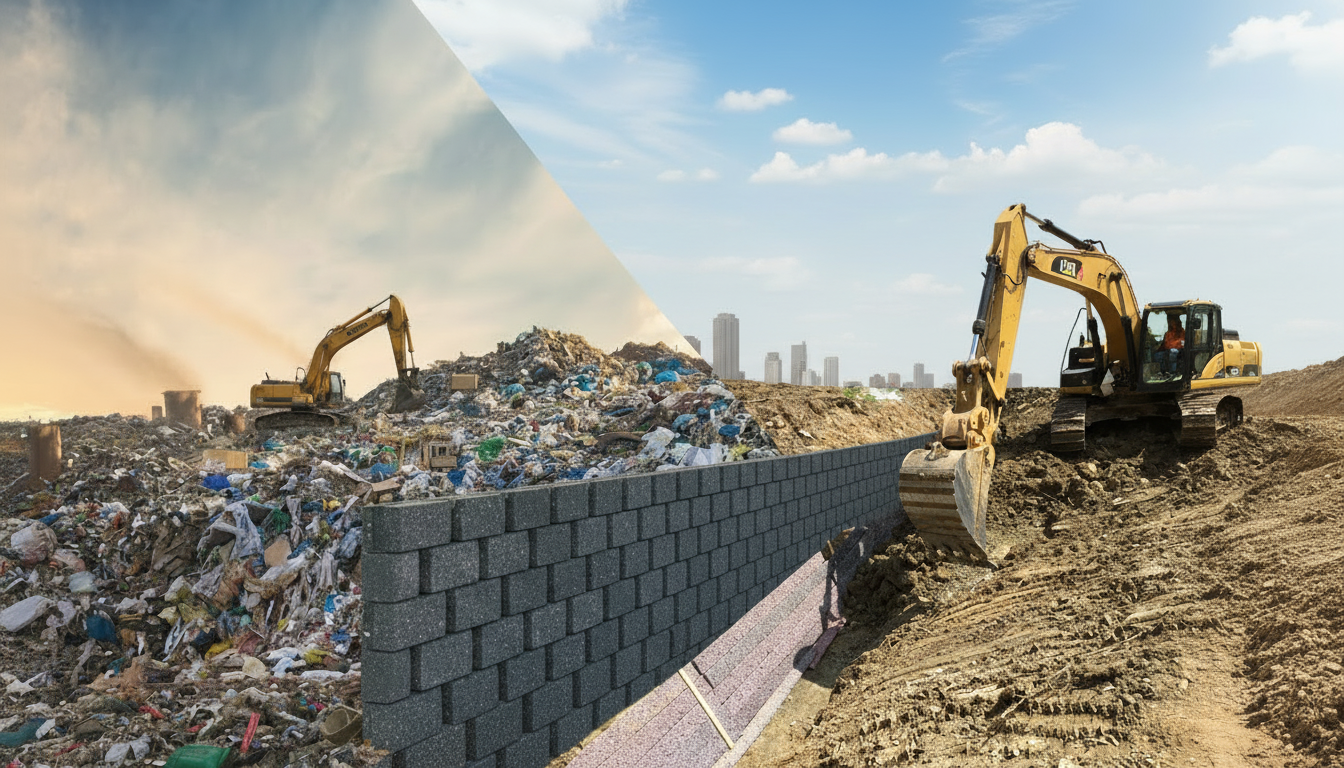
Every year, millions of tons of plastic waste are destined for landfills, incineration, or oceans. HydroBlox is changing that narrative by transforming hard-to-recycle plastics into long-lasting, high-performance drainage systems. This post tells the story behind the material: where it comes from, how it’s processed, and how it’s helping cities, developers, and contractors build smarter infrastructure. See how HydroBlox products align with the circular economy, reduce landfill pressure, and elevate recycled material into mission-critical roles in stormwater management.
Join the newsletter
Get strategic insights delivered monthly. No fluff, just actionable perspectives on the challenges facing business leaders today.
Overview
Introduction: A Second Life for Plastic
Plastic pollution is one of the most pressing global issues of our time. Much of the plastic we discard—especially mixed thermoplastics—can’t be easily recycled through traditional systems. That’s where Hydro Fix comes in.
HydroBlox takes difficult-to-recycle plastics and turns them into durable, non-clogging, crush-resistant planks and boxes for subsurface drainage. It’s infrastructure built from yesterday’s waste.
Where the Plastic Comes From
HydroBlox sources its materials from post-consumer and post-industrial plastic that traditional recyclers won’t touch. This includes:
- Mixed thermoplastics from industrial offcuts
- Plastic packaging waste
- Shredded container materials
By rescuing these materials from landfills or incinerators, HydroBlox provides a productive new use case that doesn’t rely on virgin resin.
The Processing Journey
- Collection: Waste plastic is gathered from manufacturers and recyclers
- Shredding: Materials are cleaned and ground down into uniform chips
- Extrusion: Plastic chips are compressed into high-void planks under heat and pressure
- Quality Control: Each unit is inspected for void ratio, strength, and integrity
The result: planks and boxes that move water under pressure, don’t crush, and last for decades.
Infrastructure That Supports the Circular Economy
By converting plastic waste into permanent, functional assets, HydroBlox embodies the circular economy:
- Materials stay in use far longer than single-use products
- No landfill leakage or decomposition risk
- No new resource extraction required
Every plank installed is a plank diverted from the waste stream.
Environmental Benefits
- Zero-waste production
- No leaching into soil or groundwater
- Replaces carbon-heavy materials like gravel and PVC
- Supports LEED and ESG goals
HydroBlox creates value out of what others discard—and solves major infrastructure challenges at the same time.
Internal Linking Opportunities
- Learn how Hydro Fix supports ESG and LEED credits
- Explore our full line of recycled plastic drainage products
- Contact us to spec Hydro Fix into your next green infrastructure project
- See how Hydro Fixreduces construction carbon footprint
September 3, 2025
10
Related articles
No items found.